Free UK shipping over £50
From Idea to Final Design
How a Glenfield head cover takes shape.
A finished head cover might look simple.
But before a new Glenfield design ever makes it onto a golf bag, it has usually existed as a sketch, a computer design, a paper pattern—and quite a few samples.
Creating a new style is a process of refining, testing and making tiny adjustments until everything feels right.
Here’s a look at how we do it.
1. It Starts With an Idea
Every new design begins with a direction.
We look at shape, proportion and how the head cover will sit on the club, but we also think about its personality.

Should it feel sleek and modern? More traditional? Minimal? Sporty? Should the construction create interesting areas for colour and embroidery?
We take inspiration from far beyond golf too—fashion, automotive design, interiors, textiles and product design can all spark an idea.
Then we start turning it into something that could become a Glenfield.
2. Taking the Design to the Computer
The next stage is where ideas become more precise.
Using computer design, we begin developing the shape and individual panels that will eventually make up the finished head cover.
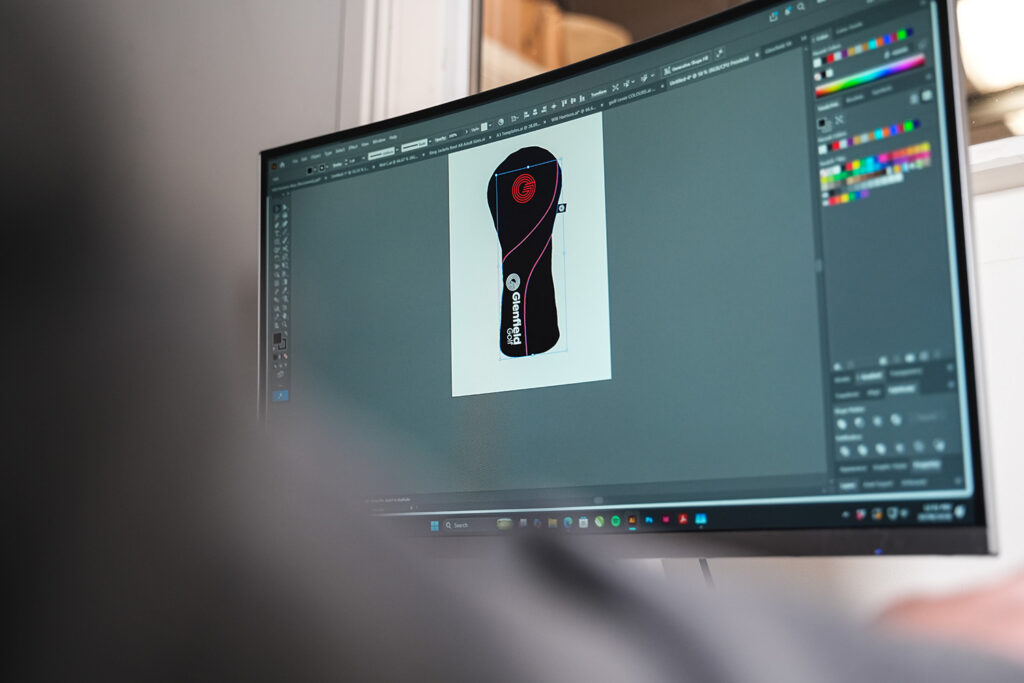
We can explore proportions, panel placement, seam lines and different styling options before committing to a physical sample.
It’s also where we begin experimenting with colour.
A design can look completely different in all black compared with contrasting panels and bright piping, so we’ll often explore numerous combinations before deciding which ones deserve to become physical samples.
3. Creating the First Sample
Eventually, we have to stop looking at a screen and start making.
Patterns are prepared, materials selected and the first prototype is cut and sewn in our studio.
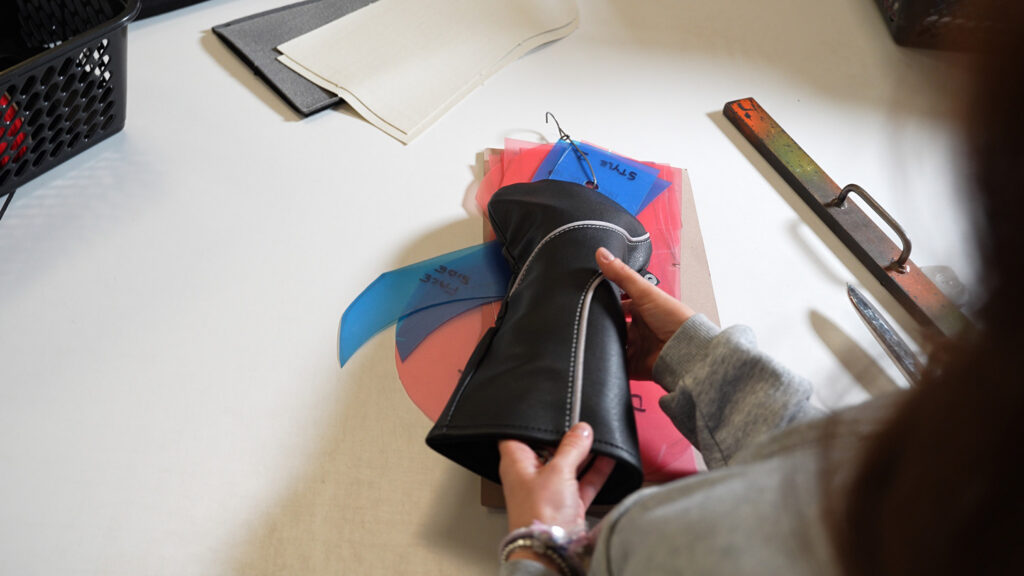
And this is often where things change.
Something that looks perfect on a computer might need adjusting once it’s three-dimensional. A curve may need softening. A panel might look better slightly narrower. A seam might need moving by only a few millimetres.
Those tiny changes matter.
4. Finding the Perfect Fit
A head cover doesn’t just need to look good.
It has to work.
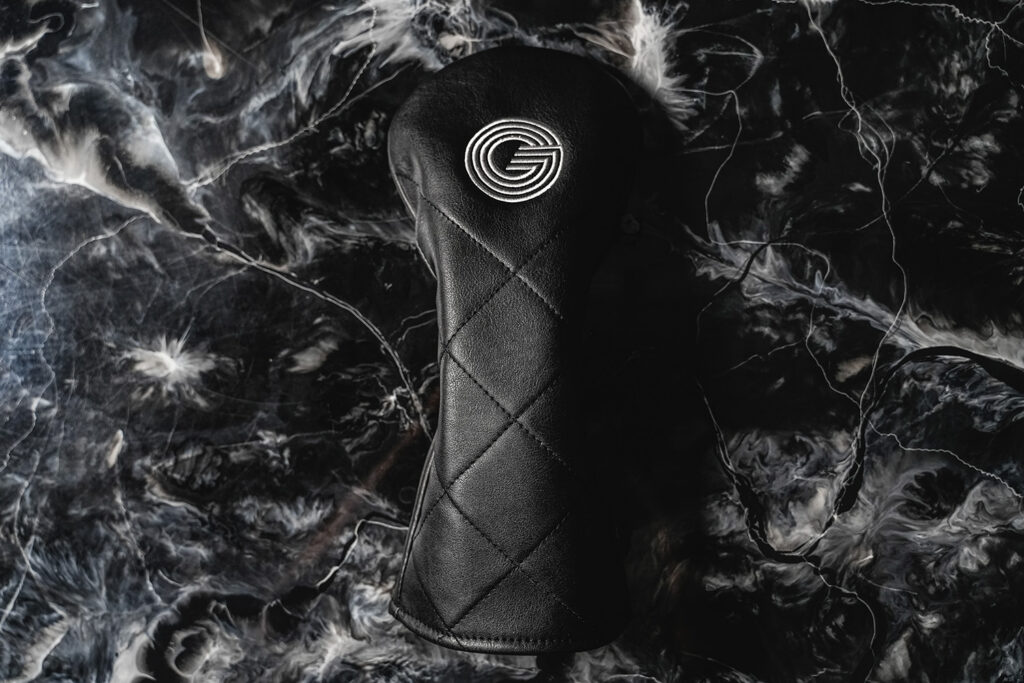
We test our samples on clubs, looking closely at how they fit, how easily they go on and come off and how the shape holds when they’re sitting in the bag.
Then we adjust.
And sample again.
Sometimes the difference between the first prototype and the final version is obvious. Other times it’s a series of tiny changes you’d probably never notice individually.
Together, they make all the difference.
5. Exploring Materials & Colour
Once we’re happy with the construction, we can really start playing.
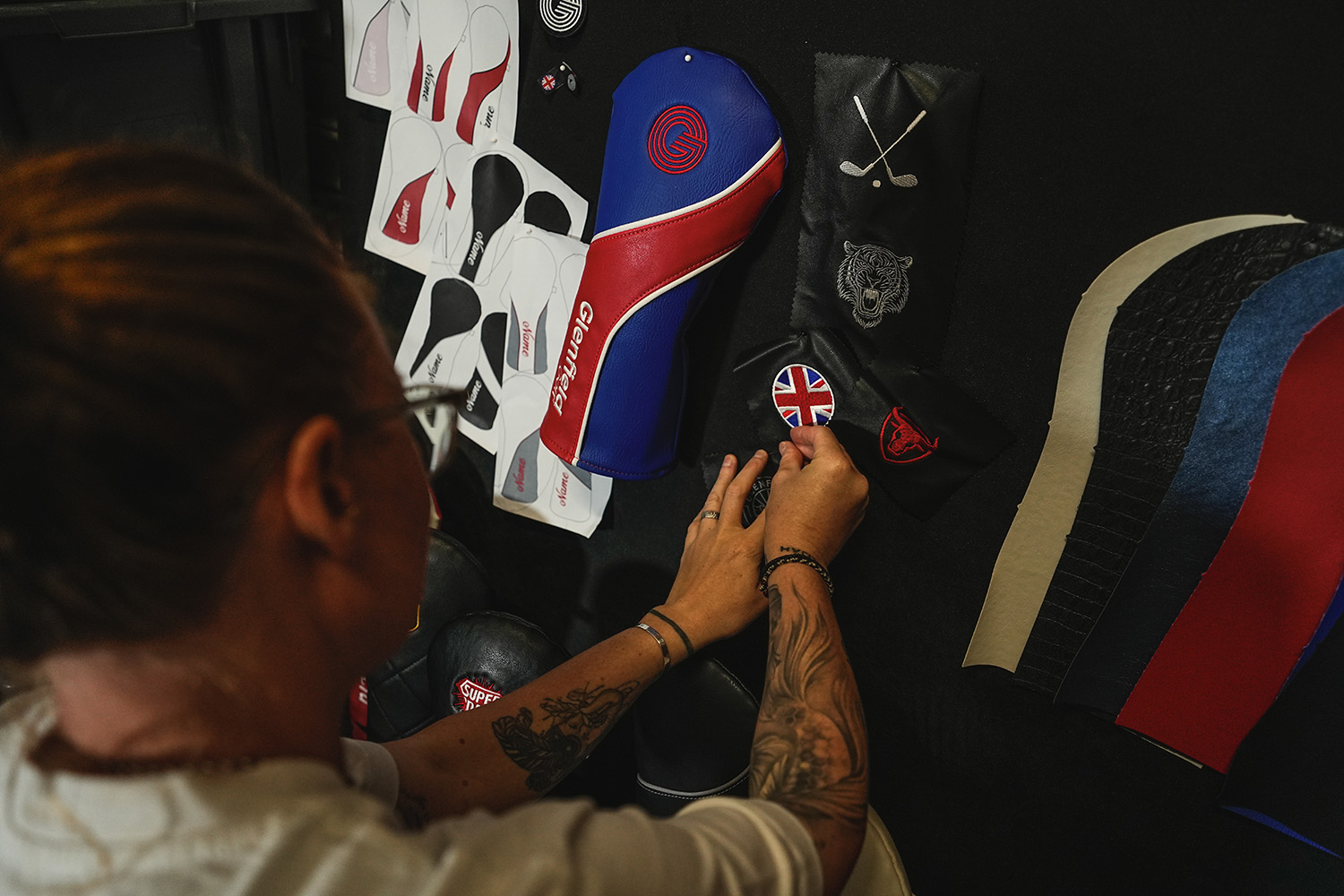
Smooth materials against textured ones. Quilting against clean panels. Tonal combinations. Contrasting piping. Classic black and white. Unexpected flashes of colour.
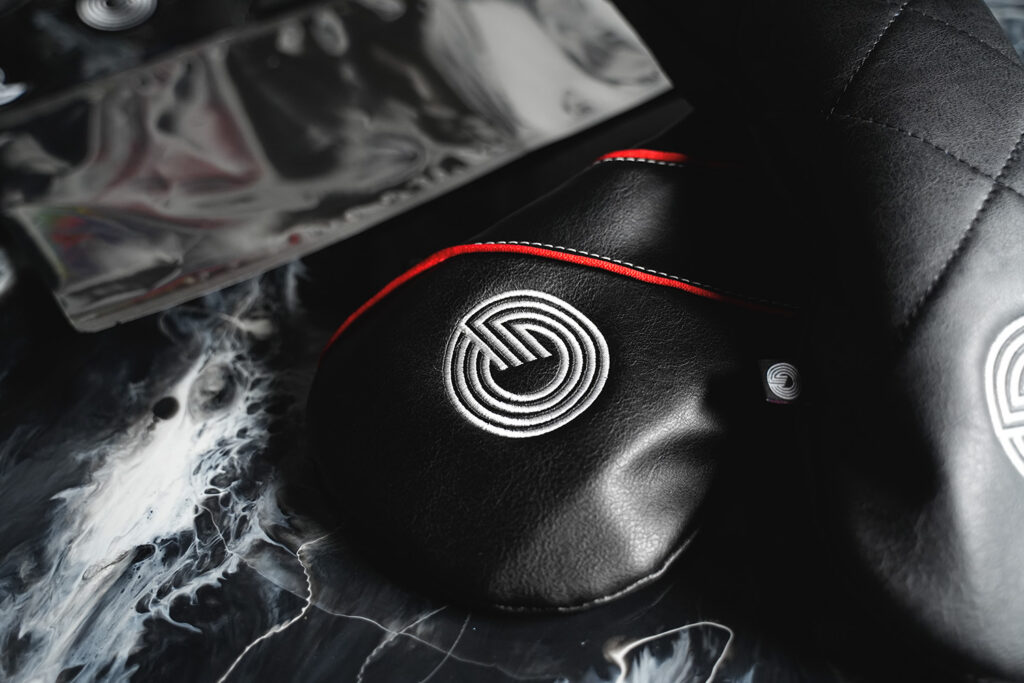
We create different versions digitally and physically to understand how materials, colours and textures work with the shape.
Because we’re not simply designing one finished head cover.
We’re designing a canvas that you can make your own.
6. Designing for Personalisation
This is something we think about right from the beginning.
Where will initials sit?
Where could a logo be embroidered?
Which panel could carry a larger design?
How will different thread colours work against different materials?
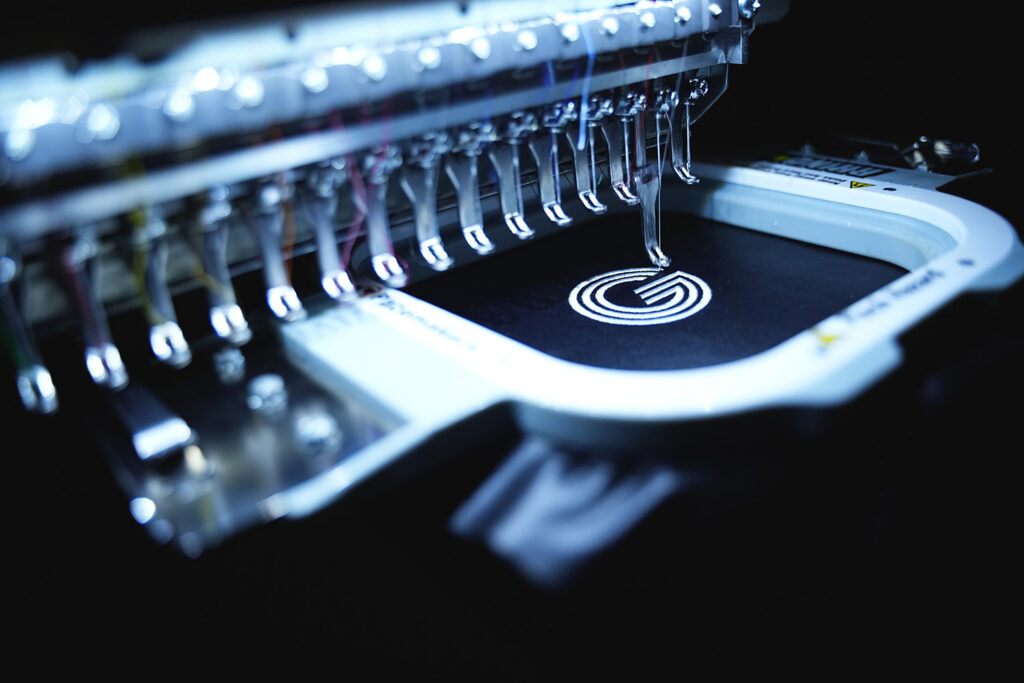
Rather than adding personalisation as an afterthought, we want our head covers to be designed around the possibility of making them individual.
That means considering embroidery areas, panel shapes and proportions throughout the development process.
Then We Make It Glenfield.
Eventually, after the computer work, pattern development, cutting, sewing, fitting, adjusting and sampling, we arrive at the final design.
But even then, we’re never really finished.
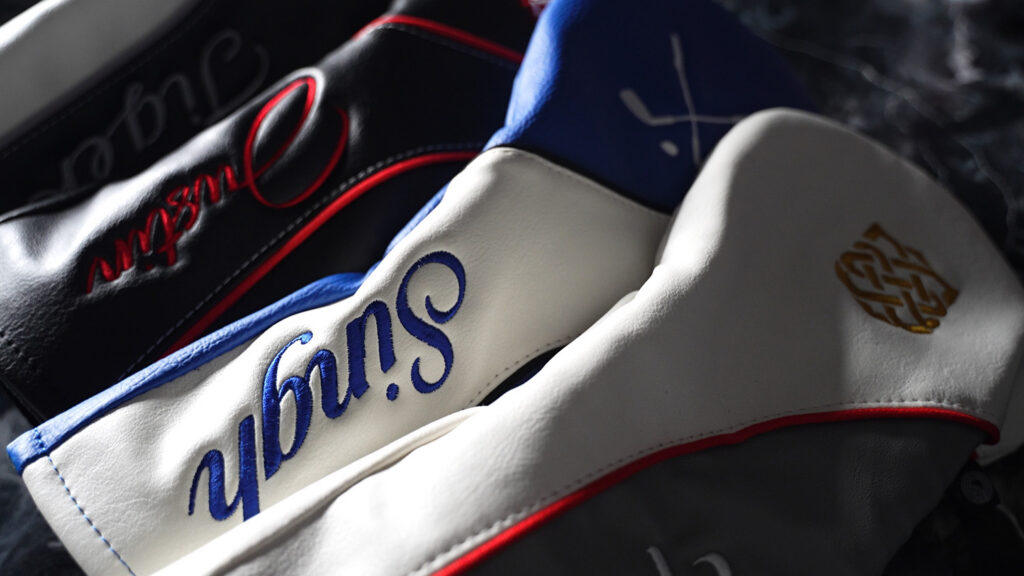
New materials arrive. Someone suggests a colour combination we hadn’t considered. A customer asks for something unusual. An idea on the studio table turns into the starting point for the next design.
That’s part of what we love about making things.
Designed. Sampled. Refined. Made.
From our first idea to yours — designed by you, made by Glenfield.